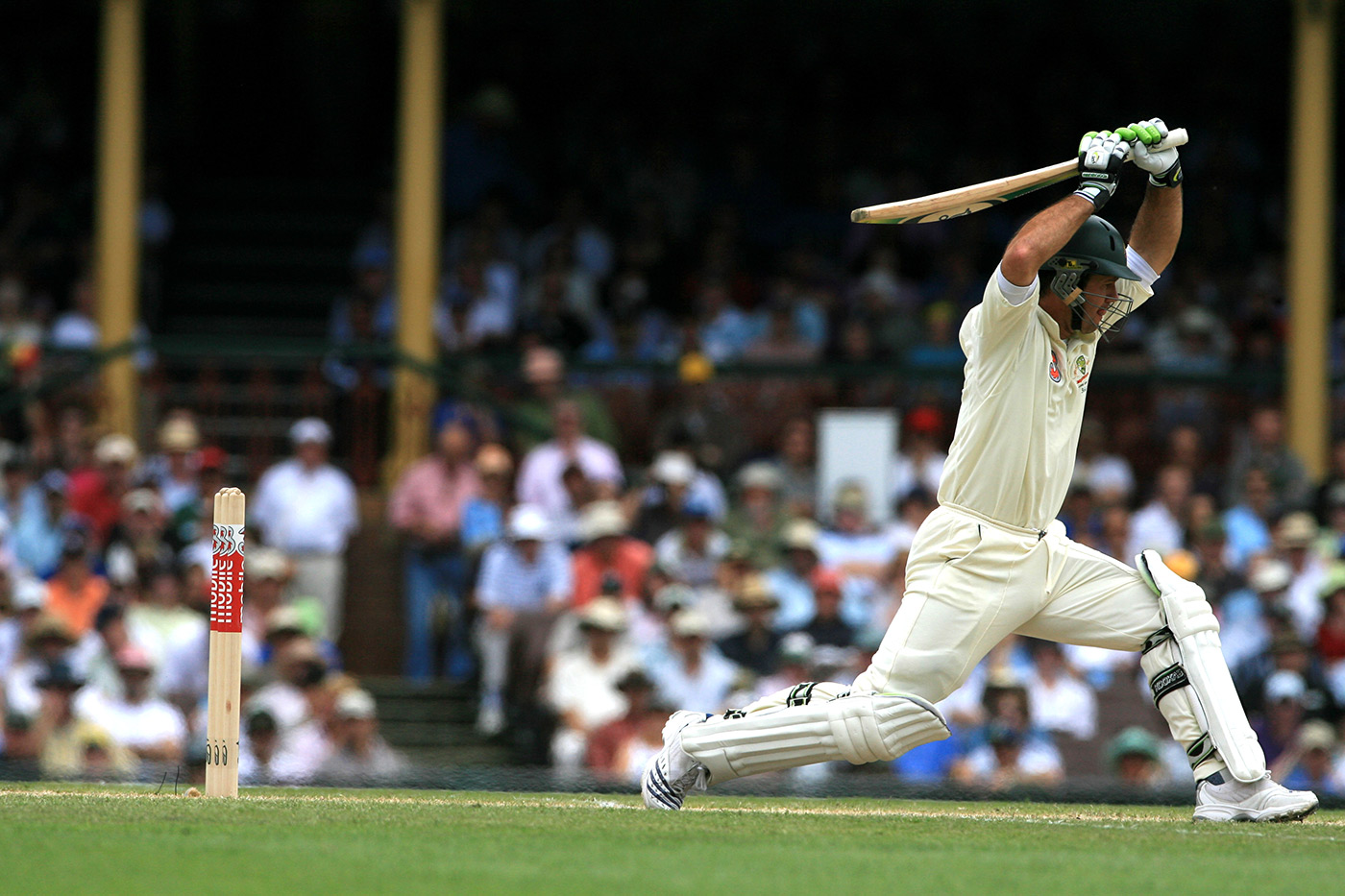
A good length in cricket is the area where a delivery makes the batter uncertain whether to play forward or back. It is one of the most valuable areas for a bowler to target because the ball can reach the batter at an awkward height and create chances of an edge, a mistimed shot or a missed delivery.
There is no single fixed measurement for every bowler. Pace, pitch conditions, bounce and the batter’s position all affect the ideal length. In Test cricket, a traditional good length for a fast bowler is approximately 6 to 8 metres from the striker’s stumps. Understanding this area helps bowlers improve their accuracy and helps batters judge which shots are safe.
What Is a Good Length in Cricket?
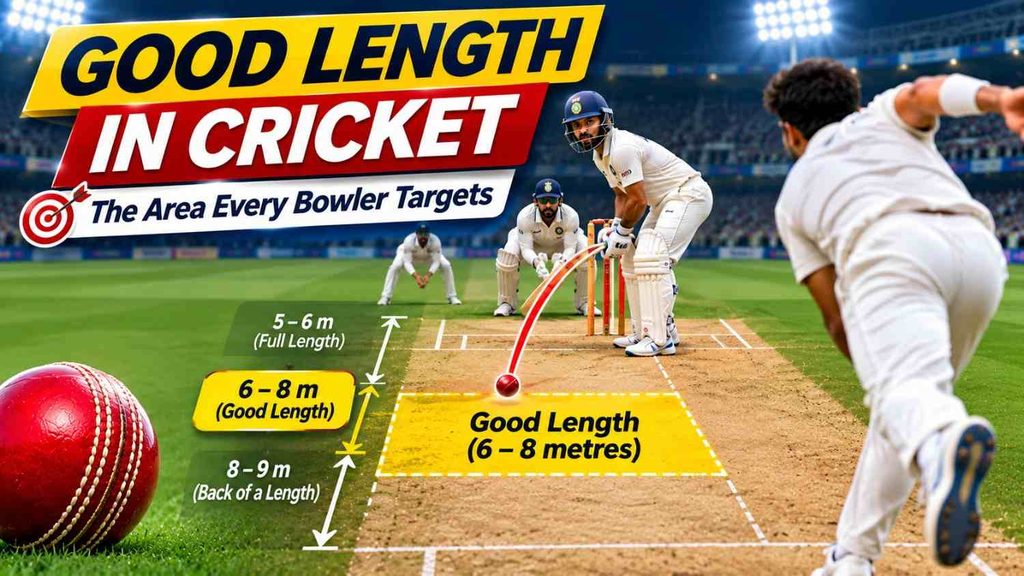
A good length describes where the ball pitches on the cricket pitch. It is neither too full nor too short. Instead, it lands at a point that makes it difficult for the batter to decide whether to move forward or play from the back foot.
A delivery that pitches too close to the batter may become easier to drive. One that lands too far away can give the batter more time to play a back-foot shot. A good length creates uncertainty and gives the bowler an opportunity to beat the bat.
The term is especially important in Test cricket, where bowlers often build pressure by hitting the same area repeatedly.
One important point: the good-length area is not a fixed marking on the pitch. It is a coaching and match-analysis term. Its exact position changes according to the bowler, batter and playing conditions.
Cricket Pitch Good Length Area: Distance and Measurements
For a traditional fast bowler in Test cricket, the good-length area is approximately 6 to 8 metres from the striker’s stumps.
This measurement refers to the distance from the batter’s wicket to the spot where the ball pitches. It does not mean the distance from the bowler’s crease.
A 2018 analysis by Nathan Leamon in ESPNcricinfo examined ball-tracking data from Test matches. It identified the 6 to 8 metre zone as the traditional good length for quick bowlers operating at approximately 80–85 mph.
The following table provides a more detailed overview of the main bowling lengths.
| Delivery length | Approximate distance from striker’s stumps | Typical description |
| Yorker | Less than 2 metres | Pitches very close to the batter’s feet or stumps |
| Half-volley | 2 to less than 5 metres | Very full delivery that can encourage a front-foot drive |
| Full length | 5 to less than 6 metres | Fuller than a traditional good length |
| Good length | 6 to less than 8 metres | Makes the batter judge whether to play forward or back |
| Back of a length | 8 to less than 9 metres | Shorter than a good length |
| Short | 9 to 10.5 metres | Gives the batter more time to play back |
| Bouncer | More than 10.5 metres | Short-pitched delivery that can rise towards the batter’s upper body or head |
These are approximate categories based on the historical Test analysis, not universal measurements for every format or bowling style. The same landing point can behave differently on two pitches.
Why Is Good Length So Important in Cricket?
A good length gives bowlers a balance between attacking the stumps and creating uncertainty. It can make a batter defend, leave the ball or attempt a risky shot.
There are several reasons why this area is valuable.
1. It Makes Shot Selection Difficult
A batter must quickly decide whether to move forward or back. A good-length delivery can make that decision uncomfortable.
If the batter commits too early, the ball may move away or come into the body. A late decision can also lead to a mistimed shot.
2. It Creates Opportunities for Wickets
A good length can bring several dismissals into play. The batter may edge the ball to the wicketkeeper or slips, miss it completely or play onto the stumps.
The delivery can also force a batter to defend awkwardly, creating chances for catches close to the wicket.
3. It Helps Bowlers Build Pressure
Bowlers who repeatedly hit a good length make it difficult for batters to score freely. They can force defensive shots and encourage mistakes.
Consistent line and length also help captains set attacking fields. Slip fielders, a gully and close catchers may become useful depending on the bowler and conditions.
What Do the Statistics Say About Good Length?
Nathan Leamon’s August 2018 ESPNcricinfo analysis used available Hawk-Eye data from Test matches to compare bowling lengths.
The study found that deliveries pitching between 6 and 8 metres had an average of 22.6 runs per wicket against top-order batters. Deliveries pitching between 8 and 9 metres averaged 40.1 runs per wicket.
The following table reproduces the historical figures from the analysis.
| Length category | Percentage of deliveries | Bowling average | Economy rate | Strike rate |
| Half-volley | 10% | 43.7 | 5.5 | 48 |
| Full length | 13% | 31.4 | 4.0 | 48 |
| Good length | 43% | 22.6 | 2.0 | 67 |
| Back of a length | 15% | 40.1 | 3.0 | 81 |
| Short | 7% | 47.4 | 4.3 | 66 |
Note: The five percentages add up to 88%, not 100%. Leamon’s analysis states that 87.7% of deliveries landed between 2 and 10 metres from the stumps. The remaining approximately 12% fell outside that range, including extreme lengths such as yorkers (under 2 metres) and bouncers (over 10.5 metres). The original summary table does not provide separate percentages for these two delivery types.
The figures show why good length is considered effective. It had the lowest bowling average and economy rate among the five categories in that dataset. It also accounted for 43% of the deliveries recorded in the analysis.
However, these figures are historical and apply to Test matches for which Hawk-Eye data was available. They should not be treated as current statistics for every format, pitch or bowling style.
The analysis also highlights the importance of conditions. A fuller delivery can be more effective when the ball swings significantly, while a good length can be valuable when seam movement is available. Bowlers must therefore consider more than the landing distance when choosing their length.
How Does Good Length Change for Different Bowlers?
The ideal good length depends on the type of bowler. A fast bowler, medium pacer and spinner do not always target the same area.
Fast Bowlers
Fast bowlers often target the area around 6 to 8 metres in Test cricket. At this distance, the ball can move off the pitch while reaching the batter at an uncomfortable height.
A fast bowler may also use a shorter length on a bouncy pitch. This can make the ball rise towards the batter’s chest or shoulder and create opportunities for catches.
Medium-Pace Bowlers
Medium-pace bowlers may adjust their length according to their speed, movement and the pitch.
A slightly fuller delivery can bring the stumps and front-foot shots into play, particularly when the ball is not generating enough bounce. Accuracy and movement are important. A medium-pace bowler who repeatedly bowls outside off stump can create pressure through discipline.
Spin Bowlers
Spin bowlers often use a fuller length to encourage batters to move forward and play the ball. A fuller delivery also gives the ball more time to turn before reaching the batter.
Spinners can vary their flight and pace. A delivery that looks full may dip before reaching the batter, while a quicker ball can skid through. They can also bowl shorter deliveries to restrict scoring and create opportunities for back-foot shots.
These are general guidelines rather than fixed rules. Bowlers should adjust their length according to the pitch, their pace, the batter and the match situation.
Good Length in Test, ODI and T20 Cricket
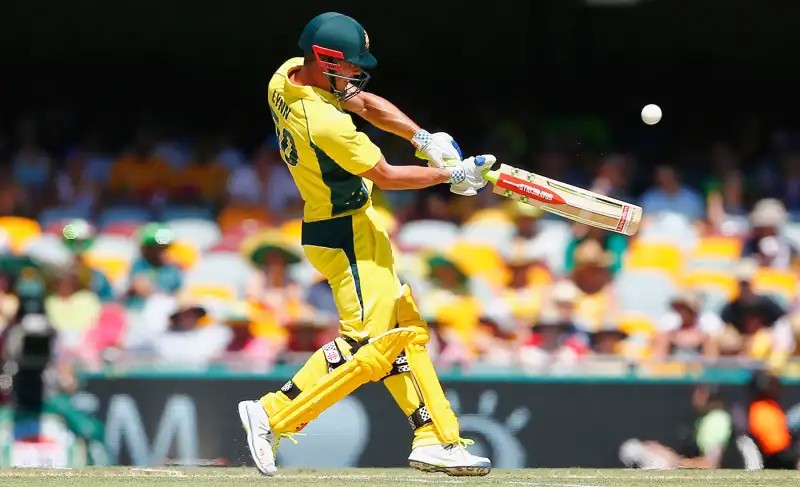
The ideal length changes with the match format because the batter’s approach and the bowler’s objective are different.
| Format | Bowling objective | Common length strategy |
| Test cricket | Build pressure and take wickets | Repeated good length with changes in line |
| ODI cricket | Control scoring and create wicket chances | Good length mixed with fuller and shorter deliveries |
| T20 cricket | Restrict boundaries and disrupt timing | Vary good length with yorkers, slower balls and short deliveries |
These are common tactical approaches rather than fixed rules. Bowlers adjust their lengths according to the batter, pitch conditions, field restrictions and match situation.
In Test cricket, patience is important. Bowlers can target a good length for long spells and wait for mistakes.
In ODIs, bowlers need to balance wicket-taking with run control. They may use a good length during the middle overs and change their approach according to field restrictions.
In T20 cricket, batters often attack predictable lengths. Bowlers therefore use changes of pace, yorkers and shorter deliveries to prevent batters from settling into a rhythm.
How Can Bowlers Practise a Good Length?
Hitting the same length consistently requires practice. Bowlers should work on accuracy before trying to increase pace or add variations.
1. Set a Target Area
Place a marker or towel on the pitch in the approximate good-length zone. Practise landing the ball close to the target.
Make sure the marker is removed before a live match or normal bowling session.
2. Bowl in Sets
Bowl six deliveries at a time and count how many land in your target area. Repeat the exercise and try to improve your accuracy.
Do not focus only on speed. A controlled delivery that lands in the right area is more useful than a fast ball that misses the target.
3. Ask a Batter for Feedback
Practise against a batter and ask whether the ball feels comfortable to play forward or back. This can help you understand how your length affects shot selection.
4. Record Your Results
Use a pitch map or simple notebook to record where each ball pitches. This helps identify whether you are bowling too full, too short or consistently hitting the target.
Common Mistakes Bowlers Should Avoid
Bowling too full: A delivery that lands too close to the batter can become an easy drive.
Bowling too short: A short ball may give the batter enough time to play back-foot shots such as the pull or cut, depending on its line and bounce.
Ignoring the pitch: A slow surface and a bouncy surface require different lengths.
Focusing only on pace: Speed cannot replace accuracy. A bowler who hits the right area consistently can create pressure without bowling at maximum pace.
Using the same length in every situation: A good bowler adjusts according to the batter, format, field and match situation.
Conclusion
Good length is one of the most important skills in cricket bowling. It gives the bowler a chance to challenge the batter without offering an easy scoring opportunity. For traditional fast bowling in Test cricket, the 6 to 8 metre area from the striker’s stumps is a useful starting point, but it is not a fixed rule.
The 2018 Hawk-Eye analysis provides a useful historical benchmark, showing that good-length deliveries had a lower bowling average and economy rate than the other listed categories. However, the best length still depends on conditions, pace, movement and the batter.
The best bowlers understand when to pitch the ball fuller, when to bowl shorter and when to keep attacking the same area. Practise with a clear target, study how the ball behaves on different pitches and adjust your length according to the batter. Consistent line and length can make a bowler effective in every format.
Frequently Asked Questions
A good length is an area where the ball makes the batter uncertain whether to play forward or back. For a traditional fast bowler in Test cricket, it is roughly 6 to 8 metres from the striker’s stumps.
A traditional good length for a fast bowler is approximately 6 to 8 metres from the batter’s stumps. The ideal distance can change according to pace, pitch conditions and the batter.
A full-length delivery pitches closer to the batter and usually encourages a front-foot shot. A good-length delivery lands further away and makes the batter decide whether to move forward or back.
No. Fast bowlers generally target a different length from spinners. Spinners often pitch the ball fuller to give it time to turn and encourage the batter to play forward.
Good length helps Test bowlers maintain pressure, restrict scoring and create wicket-taking opportunities. It can produce edges, missed shots and defensive mistakes when bowled with a consistent line.